What Is Medical Conference Management?
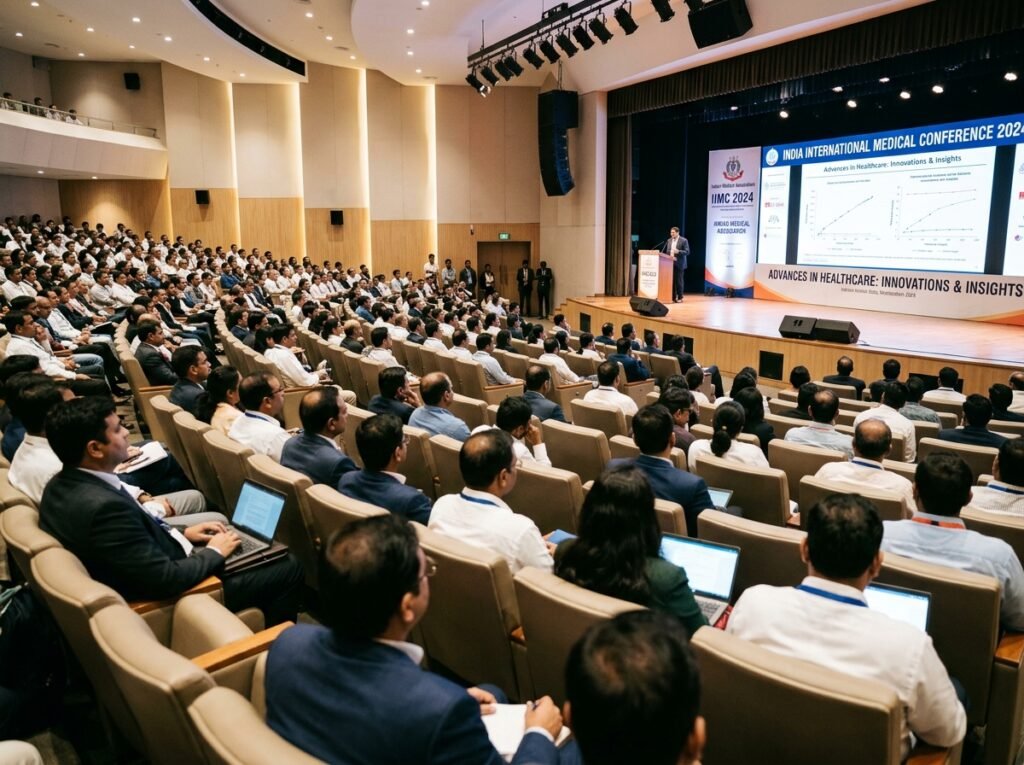
Medical conference management is the end-to-end planning, coordination, and execution of scientific and healthcare conferences encompassing everything from scientific program logistics to delegate management, venue sourcing, and production.
In the Indian context, this typically involves:
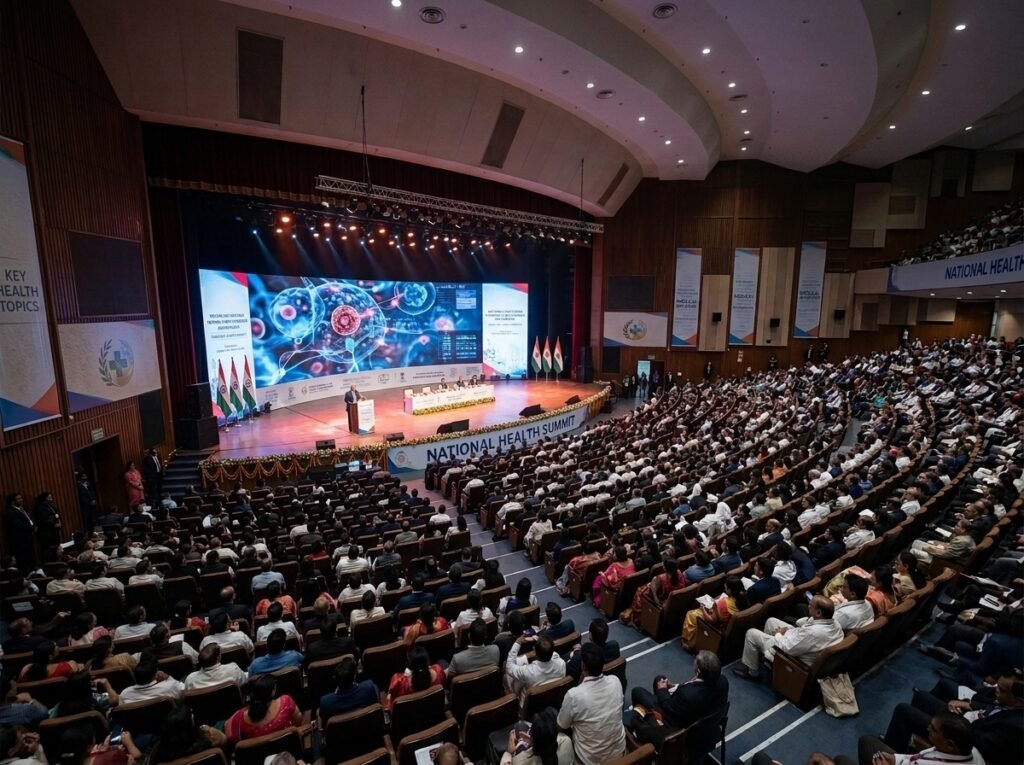
- National society annual conferences — rotating each year between host cities, often involving thousands of delegates
- Specialty and sub-specialty conferences — smaller, more focused scientific meetings
- State and zonal chapter conferences — regional gatherings under a national association’s umbrella
- CME-accredited conferences — requiring specific documentation and structure for accreditation bodies
- Hybrid and virtual conferences — increasingly standard since 2020, requiring dedicated technology infrastructure
Because Indian medical associations often rotate their annual conference across different host cities and organizing committees each year, conference management
Here frequently means partnering with a company that can execute consistently regardless of location , not just a single-city specialist.
How Medical Conference Management Works in India
1. Host City and Organizing Committee Selection
Most large national associations select a host city and local organizing committee (LOC) 1-2 years in advance, often on a rotational basis across regions (North, South, East, West zones).
2. Professional Conference Organizer (PCO) Engagement
The LOC typically partners with a professional conference management company (a PCO) to handle execution since organizing committees are usually made up of practicing physicians, not full-time event professionals.
3. Scientific Program Development
Working alongside the association’s scientific committee to structure sessions, manage abstract submissions, and coordinate speakers often the most complex logistical layer.
4. Delegate & Sponsor Management
Registration systems, credentialing, travel coordination for out-of-station delegates, and sponsor/exhibitor management (particularly relevant for pharma-sponsored conferences).
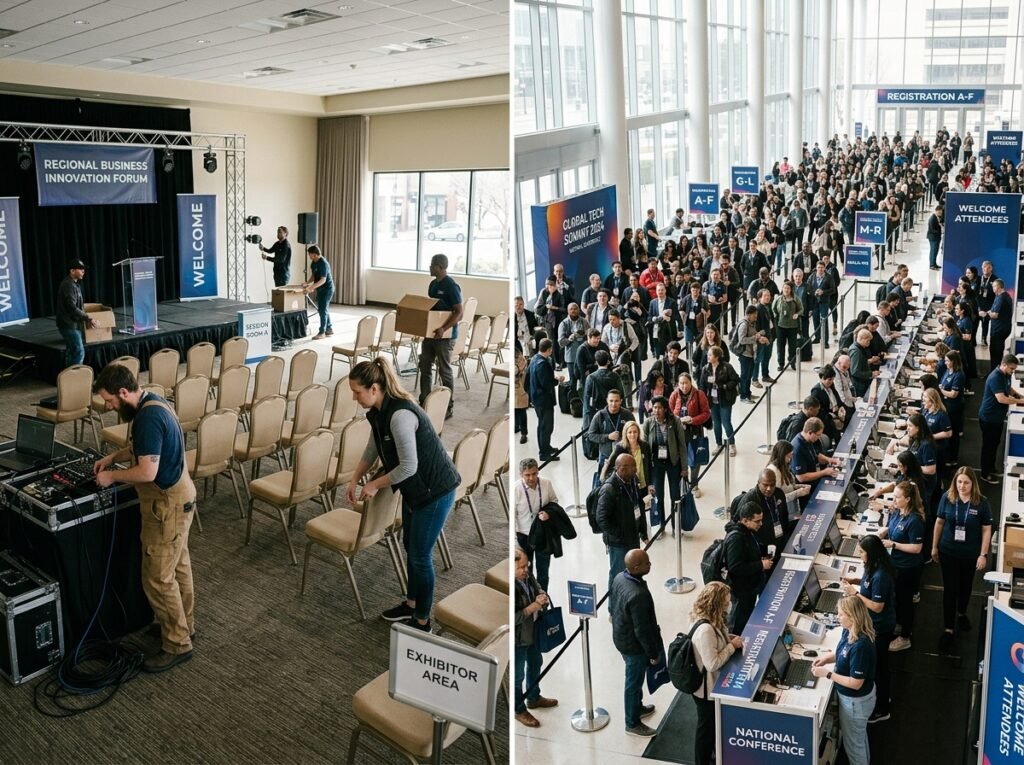
5. Venue, Production & On-Ground Execution
Venue negotiation, AV/production, hospitality, and on-site staffing scaled to delegate count, which for national conferences can range from a few hundred to several thousand attendees.
6. Post-Conference Reporting
CME documentation, attendance reports, financial reconciliation, and feedback compilation particularly important for associations answerable to their membership.
Choosing Between a Regional Specialist and a National Conference Management Company
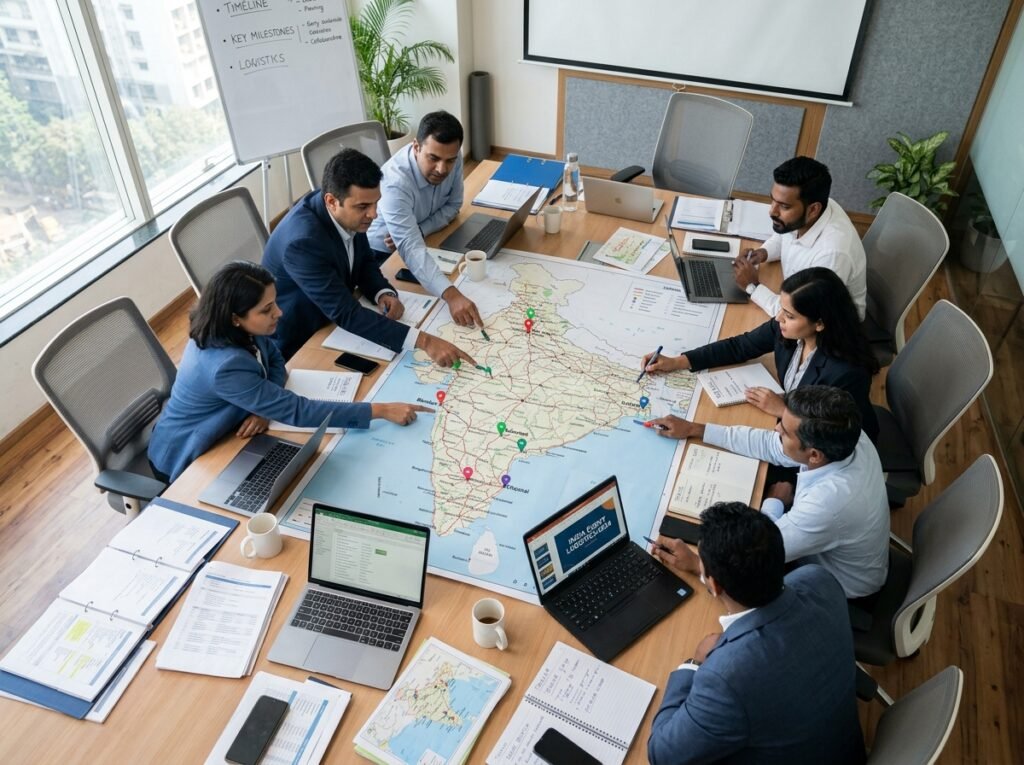
This is one of the most practical decisions associations face, and it’s worth weighing directly:
| Factor | Regional Specialist | National Company |
| Local vendor relationships | Often stronger in their home region | May be building relationships fresh each time |
| Consistency across rotating host cities | Limited to one region | Can maintain consistent systems/processes nationally |
| Cost | Often more competitive locally | May carry higher overhead for multi-city operations |
| Cultural/local nuance | Strong understanding of local logistics and etiquette | Variable, depends on local team presence |
Practical approach: Many national associations choose a regional specialist for each year’s conference based on where it’s being hosted rather than locking into one national vendor. This means a strong regional partner (e.g., one based in Kolkata for Eastern India-hosted years) is often the more practical choice than a single “national” company stretched thin across the country.
Key Considerations for Multi-City or Rotating Conferences
- Consistency of scientific program standards across different LOCs and host cities year to year
- Delegate travel logistics — particularly for out-of-station attendees converging from across the country
- Regional venue capacity and infrastructure — Tier 1 cities generally offer more venue options than Tier 2/3 cities
- Budget variability by city — venue and hospitality costs differ significantly between metros and smaller cities
- Local regulatory/permission requirements, which can vary by state
Associations planning a multi-year rotation should build these variables into their long-term conference budgeting rather than assuming costs and logistics will be consistent year to year.
What to Look for in a Medical Conference Management Partner in India
1. Proven Track Record With Similar-Scale Conferences
Ask for delegate count and complexity of past conferences managed a company experienced with 200-delegate meetings may not be equipped for a 2,000-delegate national conference.
2. Scientific Program Management Capability
Confirm experience with abstract submission systems, peer review coordination, and structured session scheduling not just logistics.
3. CME/Accreditation Documentation Support
Ask specifically how they support the CME accreditation documentation process alongside the relevant medical council or association.
4. Hybrid/Virtual Infrastructure
Increasingly a baseline expectation confirm in-house streaming and virtual delegate management capability.
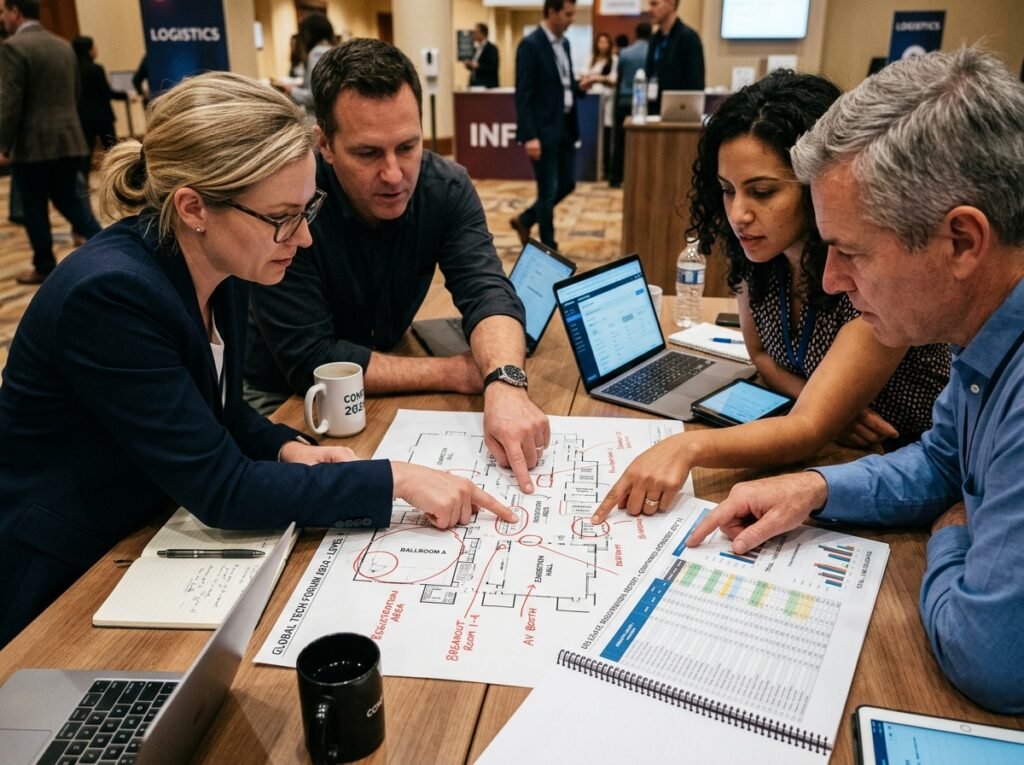
5. Regional Execution Strength
If your conference rotates cities, ask whether the company has a genuine regional presence or partner network, or whether they’re flying in a team unfamiliar with local vendors each time.
6. Transparent, Itemized Costing
Request itemized quotes by category, and ask how costs are expected to vary if the conference moves to a different host city in future years.
Frequently Asked Questions :
Why Mednovera
Mednovera specializes in medical conference management, with deep regional strength across Eastern India and experience supporting national associations whose conferences are hosted in the region. From scientific program coordination and delegate management to hybrid production and CME documentation support, our team brings the rigor national associations expect — with the regional expertise that makes execution smoother when your conference comes East.If your association is planning a national or regional medical conference, we’d be glad to discuss your requirements and put together a detailed proposal.